Tuesday, December 14, 2021

Every Goddamn Vampire in this Goddamn Country of Mine

 Sometimes, you make it to see if you can do it. 

I wanted to make a generator that would show you the vampire society of a given city with a single click. But in order to do that, I needed to know how many vampires to put in it. The VtM revised rulebook provides a rule of thumb (that it almost always ignores) saying a densely population area should have one vampire for every 100,000 people in a community. But vampires aren't lone wanderers. They're organized in coteries of a size that the book is cagey about telling. A few levels of investigation in, I found myself searching out the metro population of the United States in 1990 to facilitate this growing project. I was no longer trying to generate a city. I was trying to generate every city in the US. I ran the generator once and came up with a vampire census 100 pages long. 

After all this research and heartache, I've decided there's no easy answer to how many coteries there should be in a city, but there's a fair answer. The answer is, if the average coterie has a little more than five members, "about seven." That's on par with Dallas and Miami, and it should be plenty of characters. It means there's bigger and smaller kindred communities, and it's about as many groups as an engaged player can be expected to remember at once. Go with seven.

Therefore, that's the number I've tuned my city generator to. Use it five times to get a metro area roughly equal to New York City, twice to get one roughly equal to Chicago. Each press of the button will show seven coteries, identifying each vampire by their (bolded) nature and some interesting facts about them. If they're part of a clan coterie, that's the clan they belong to. If they're part of another kind of coterie, it will be specified.

To damn the world, I've also included the America generator, but I warn you it will make a long result. If you want an example, I've put it in a (hunded page) google doc.


Tuesday, December 7, 2021

The Councilcrawl

In college, I would attend these "murder mystery parties," day-long affairs where everyone's playing a character trying to solve a murder, but actually mostly to pursue whatever 2-4 objectives have been assigned to them by browbeating other guests. Basically a LARP, but you have a rambling half-page character sheet about how you're Bast impersonating Anubis and you have a piece of paper that says "GUN" on it. 

Since then, I played in this crazy Birthright game in which every PC was the ruler of a different country and could barely talk to each other outside of short, public messages until a grand council every five years let us actually speak in private for five Haelyn-damn minutes. At this "Sword and Crown" event, there were players in every room of the real-life house trying to make the most of this rare opportunity to make some sausage with the other rulers. My current play-by-post game Ten Blade Demigod is not quite as restrictive, but every council of rulers has set the game flying in a different direction.
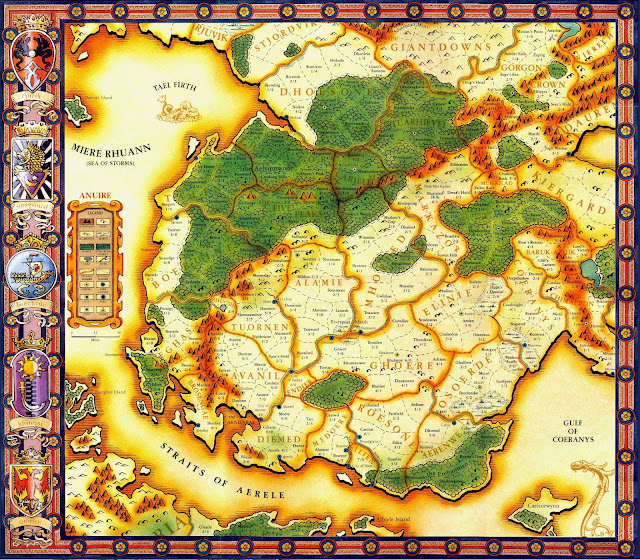
Map of Anuire. I ruled Endier, that little country next to the forest above the central southern coast.
On a more sane scale, I recently got the chance to run two Vampire: the Masquerade scenarios that start with a dinner party. I assume the prevalence of vampire parties in that game owe much to the LARP influence in that scene. The first, "Baptism by Fire," is meant to be an introduction to the setting through a very underwhelming social engagement. The second, "Annabelle's Party," sets up an investigation that spirals out into the politics of vampiric Chicago.

Notwithstanding some good advice on how to run parties, I wonder if the potential of councils is not overlooked. It makes sense that in the OSR scene is primarily made up of dungeoncrawling, hexcrawling, and marginal domain play, but the concept of a primarily social game is often brought up in the absence of a procedure or game loop, and I think a "councilcrawl" provides one such framework.

A councilcrawl will need to be structured to be useful with a normal number of players and a single DM. Huge twenty-person affairs have amazing energy, but will rarely be feasible as, say, a weekly game. 

How much of a councilcrawl campaign will be made up of these parties? Some people run dungeoncrawl campaigns that are all dungeon-delving, but most also include time spent in the wilderness or negotiating with people in town or briefly hexcrawling. Hexcrawl-central campaigns usually have some dungeon-delving elements. A councilcrawl campaign could feature councils as the main events, like the dungeons of a dungeoncrawl or the hexes of a hexcrawl. It could also feature councils as the connective tissue, like the dungeon of a hexcrawl or the hexes of a dungeoncrawl. 

A central councilcrawl: imagine a campaign in which the party prepares carefully for a regular meeting of the Conanesque city's leadership. It is at these meetings that the fortunes of the party is made or lost, where attendees are sometimes found slain by unknown hands, where the peril and adventure is. Between the councils, there is a quick set of mechanics to see how the political decisions of the previous council plays out and to give the principle actors time to kidnap each others' niblings and make other preparations.

A connective councilcrawl: imagine a campaign in which the party needed to attend a freewheeling negotiation with a handful of interested parties in order to prepare for their dungeoneering expedition, securing funding and deciding who best to serve. Each council would have many influences on the delve itself, but it would also have its own self-contained arc in which enemies are made and thwarted, secrets are revealed, and plots are advanced. The council serves the dungeon loop, and is not where most of the experience is gained.

There are other ways to do this. It's important to remember how rare it is for a long-form campaign to fit entirely into one play procedure, and there is no set point for how the procedures should interact with each other. 
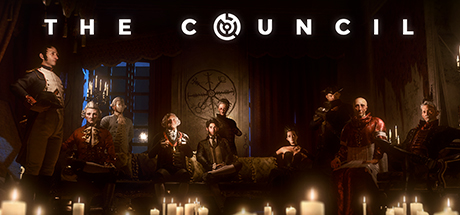
The Council, an enjoyable mystery game about a meeting of important personages on a lone island
The councilcrawl, like other game procedures, places certain limitations on the game. It must be somehow taken for granted that principle agents (PCs and important NPCs) will be meeting under a flag of nominal peace with serious goals. The threat of violence needs to be a big deal in these conditions, and if someone is murdered that could be enough to take their proven killer out of play.

Because we're designing these councils for play around a table, they cannot be designed exactly like a twenty-person LARP. The PCs should be able to stay together most of the time, all of them participating in discussions. Conversations they're a part of should involve them, not sideline them, and will ideally include a small number of important NPCs at a time to keep the conversation manageable.

This can go too far! The VtM module "Baptism By Fire" states that it is a module about a New Year's Eve party, but as far as I can tell there is almost no interaction between the NPCs at all. One vampire will sit in front of an empty fireplace all night and speak as little as possible, up to and including using his magic vampire powers to make PCs go away. Another is so shy as to make interaction nearly impossible unless the DM bends the rules a bit. A third one doesn't talk. As written, none of these people can even be found in the same room. There's about six vampires at this party, zero human guests, and a staff that has been magically rendered unable to hold a conversation.

If it's a party, it should feel like a party is what I'm saying. NPCs should be talking to each other, there should be music and food, and occasionally two people can get serious looks and say "let's discuss this somewhere private" so a PC can eavesdrop by holding a glass to the door. 

Because so many examples of the genre are serious and political and Machiavellian cavalcades there has sometimes been a desire to make the NPCs so convoluted and tight-lipped that only cunning and perceptive players will ever figure out what they are about. This is the opposite of ideal. If any kind of game should be playable with a glass of wine in your hand and two in your belly, it should be the dinner party game. NPCs can and should have hidden motives and emotional depths, but they should be signposted like a Bastionland trap or simple enough that a DM finds it easy to run ten such characters. Something like "rogue vampire, seems to know almost nothing about vampire society, is actually a vampire hunter in disguise" is complicated enough. The political action of the game should be free-wheeling, with revelations leading to dramatic confrontations and hasty blackmail and exile. There should always be time pressure.

Similarly, council designers should resist the temptation to base all NPC's motivations on cold realpolitik. The emotional throes of lovers, family members, and betrayed students are important for keeping things moving and establishing solid stakes.

Every council needs its central problem. In the murder mystery dinner party, this is a murder. If everyone is solely concerned with their own personal issues, the event never really comes together. Therefore, the central problem should relate to most characters directly and the rest indirectly, and it should matter how the central problem is resolved.

A central problem can be subtle. This is actually the great achievement of "Baptism by Fire." Despite failing to really feel like a party as-written, the central problem is the presumption that the PCs and their players are new to the concept of vampires society. Every NPC exists to introduce the PCs and players to an important facet of the game, and many of those NPCs get quickly interested in how the PCs adapt to vampire society. 
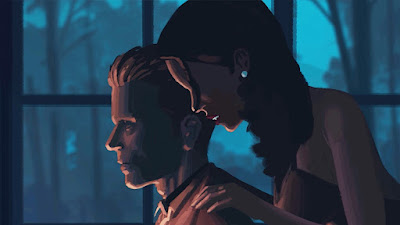
from Vampire: the Masquerade Bloodlines 2
Therefore, an outline for preparing councils and a procedure for running them:

To prepare the council, the DM needs to consider the council's premise, its central problem, its major NPCs, and its itinerary. It is hard to define the exact order in which this should occur, because over the course of a campaign some of these may be established first. Maybe the PCs are throwing this council and choosing who to invite and why. Maybe most of the major NPCs are recurring characters and therefore already established. Starting from scratch, I think it should be most typical to start by defining the premise and central problem, then filling in NPCs and itinerary, backtracking and refining as you go.

The premise is the in-universe intention for the council. Typically some kind of social function or a meeting that must come to an important decision.

The central problem is the DM's reason for the council. This might be the same or it might be different as the premise. If the premise is of a friendly social function, there's got to be a murder or some other kind of crisis. If there's already an issue, perhaps it becomes more pressing and intense. A council of the goodly folk of Middle Earth to decide what to do with a Ring of Power is already portentous, but suspicions that the ring is actively corrupting those at the council would make for a great game session. The central problem could hypothetically be transplanted to a different premise (say, the PCs having a drink at their friend Bilbo's birthday party) but the central problem should be specifically crafted to heighten the drama of the premise.

The major NPCs are the important people who will help to create and act out the drama of the council. If the council is made up of a lot of people, don't make them all important. Come up with a representative NPC to stand in for the interests of a larger group. If the council is made up of a small number of important personages, you can and should bulk out the roster with those personages' friends, family, and servants. There should be at least four major NPCs, but not so many that it's hard to run them. Giving them distinct personalities and quirks will help to keep them straight. Each NPC needs a goal and a reason they can't achieve it, so as to facilitate scheming and getting an X-factor like a PC involved.

The Itinerary is a DM's tool, not the in-universe plan for the council. To keep things running and apply time pressure, set events should happen throughout the council that will change the way characters act. Four or five events is plenty for a council that lasts a session. These can be major events that bring everyone together, like the discovery of a murder, or smaller scenes that bring characters aside, like a major NPC's attempt to seduce one of the PCs. If conversations start to drag, the DM can say "some time passes, and then" and introduce the next point on their itinerary. The itinerary cannot be set in stone. Sometimes, someone who was supposed to accuse a PC of seduction in act three is dead in act one. Stay nimble.

From these elements, the procedure of play starts to form. Unlike certain RPG procedures, those of a council should be freewheeling, fast, and light. The loop is something like:
DM describes the state of the council ☞ players gather information through conversation and investigation ☞ players or itinerary change the state of the council ☞ repeat step one.
Most of these changes will not require much rolling of dice. Perhaps information gathering will requires some skill rolls to discover or understand the clues, or perhaps the state of the party is changed by, say, a combat that requires a contest of dice, but the conversations themselves should need little mechanization. 

This is all someone used to running games and playing characters should need. Players can detect when a social event is used to deliver exposition and tepid political dialogue, but they can also smell out an opportunity to strike it rich in a single night. Make the council rewarding and dangerous, and it can be electric.

Example
Okay, I'm going to time myself. It's 10:05 and I'm making spaghetti while I write this.

Premise: the PCs have just successfully raided the Tomb of the Serpent Kings, and they've been offered a lucrative contract to raid the nearby Tomb of the Mud Sorcerer.

Central Problem: keeping it simple. The local ruler despises tramps and troublemakers like the PCs and will try to foil anything good for them,

Major NPCs:
- The Host, who hired the PCs initially. He wants to downplay the danger of the Mud Sorcerer's Tomb, but also needs their help to get resources from other guests to make it possible and profitable.
- Lisa Withanelle, potential investor. She wants to purchase any weird artifacts the PCs stole from the Tomb of the Serpent Kings, but is competing with Katherine, whom she's hopelessly in love with.
- Katherine, the second potential investor. She was sent by the king to scupper preparation, but is hopelessly in love with a random PC and wants to buy their dungeon treasures.
- Alocious, the host's son. Wants to convince his father and the PCs not to enter the tomb because it's too dangerous. He has studied the tomb and the weird language found within and would be a valuable member of the expedition.
- Timbo, the host's mysterious servant. Secretly a cultist of the Mud Sorcerer religion who wants the expedition to set out but ultimately fail.
- Hargrave and Strong-Gout, two former adventurers who led a failed expedition to the Tomb. They're both actually the Host's long-lost bastard sons. Hargrave wants to seize their birthright but Strong-Gout wants to reconcile. Neither wants to act without the other's consent.
- King Angram, who eventually shows up and acts all pissy. Wants the PCs run out of town, but can't afford to offend the Host.

Itinerary:
- Guests arrive. The Host introduces everyone, and they share a toast.
- Hargrave and Strong-Gout have an argument before retreating to a backroom to discuss their issues.
- Katherine makes a pass at a PC
- Lisa asks that same PC for advice courting Katherine
- Dinner is served: honied crab legs, garlic bread, spiced yams, and onion soup. Alocious makes a scene about how dangerous the expedition will be.
- Timbo waits until a PC is alone with Alocious, then slays him while under an invisibility spell to frame the PC.
- King Angram arrives unannounced, looking for a reason to run the PCs out of town and annoyed he wasn't invited to the party. The Host begs the party not to reveal any murders that may have occurred.
- Eventually, the party concludes.

It is now 10:29. My spouse is happily enjoying some spaghetti, and I've got a usable draft for a session. With a few more minutes, I could clean it up, maybe assign some fun mannerisms or add potential events to the itinerary. One thing I would be on the lookout for is more opportunity to establish potential risks and rewards. I would give the potential investors magic items to potentially trade for any the party have. These items could also serve as clues or red herrings for any murder investigation. Defining the influence of the investors of the king with an eye towards winning their friendship or enmity would be helpful. Statting out Timbo, Hargrave, and Strong-gout could pay. I would define more facts about the home in which the party is meant to take place, and come up with some reasonable clues about Timbo's identity.
Tuesday, November 16, 2021

VtM Revised: PC generator, Immortal relationship generator, vampire scheme generator, Chicago event generator

 I've been playing some Vampire: the Masquerade, and it's struck me that there seems to be a paucity of online tools to aid Storytellers. To make things easier for myself and for anyone else who might find it helpful, I've employed Spwack's html table tool to make some easy random generators.

First, a PC generator. It includes all the Camarilla and Sabat clans from the core rulebook, with page references. I did not exercise any influence on the distribution of points, except that I made it impossible to spread out abilities beyond what I can imagine players wanting to do. Merits and Flaws are included in their own separate generator, and always balance each other out, which you can tweak as desired.


Next, the immortal relationship generator, to characterize the centuries-long personal history of vampires and other undying beings. To establish a relationship, designate two characters and hit the generate button. If they've been around for only a few decades, use "modern nights" to establish the two main events in their relationship and how they feel about it. For characters of an age typical of older vampires, include later entries. For example, the relationship between two 8th generation vampires would include the 8th, 9th, and all later generations through modern nights. If they are wise, they consider the entirety of their history in deciding how to feel about each other. Otherwise, they use knowledge picked up in ancient times but are only motivated by events of modern nights.


To aid in brainstorming, a vampire scheme generator. Decide whose scheme it is and who their target is, then hit the generate button to get the broad strokes of a plan to deploy against their victim.


This last one is probably only useful to me. It's a random encounter table for when the vampires of my chronicle go wandering the streets of Chicago.


Tuesday, November 2, 2021

15 Biome Encounter Tables

 I enjoy ecosystem-based encounter tables, but the very best are hard to find. They can be so broad as to lack any evocation of place, as with endless "forest" tables that list all the mainstay monsters, plus or minus a treant. I like to have many small regions of only a handful of hexes, which might put one plains next to another plains with an identical encounter table. What's more, it's hard to find meaningfully different biome-based encounter tables, since the most obvious choices are always included. If you're not including dire camels on your desert encounter table, where are you going to put it?

Here it pays to be more specific. Rather than a "forest" table, you can roll on an "elfy coniferous forest" table and get specific encounters with a better sense of their intentions, appearance, and accouterments. I beg the world to generate many small, specific encounter tables that can nevertheless be pressed into service for piecemeal hexmaps, hastily assembled two-shots, or inspiration for full adventures.

To that end, I've made fifteen d6 encounter tables for more specific biomes. I did this by randomly generating lots of 6 monsters from Old School Essentials without any attention paid to hit dice or typical environment, then designating the biome after the fact. This forced me to make creative decisions about why two unlike creatures would be found in the same place. Once I had the biomes named, I noted the number appearing according to OSE and invented example behavior for negative, neutral, and positive reaction rolls according to this format:

(negative/neutral/positive)

This step was important to me because I'm often stumped by uncharacteristic reaction rolls at the table and I though the work of brainstorming ahead of time was worthy, and also to further characterize the region.

Induction by Josh Pierce

As I worked on this project I noticed how useful some parts of the classic D&D monster write-ups were for this project. Number Appearing was constantly helpful (except when they were churlishly listed as "0",) as were any notes about a monster's affinities and hatreds. Behavior of any kind was often folded into one of the example reactions, and characteristic attacks let me vary even the negative reactions. Fighting to the death can be easily overdone in D&D, and I tried to give even chaotic or animal enemies some specific goal where appropriate.

If you want to extend the d6 tables, I recommend adding low-level creatures, since total randomness in monster selection makes the areas quite dangerous. (Remember, encountering dozens of humanoids likely means most are not patrolling with bardiches in hand.) A good template for extending into a d10 table might be:

7. 1-HD humanoids or wildlife
8. familiar faces (someone the party fled, helped, etc.)
9. 
rival adventuring party
10. Roll 1d6 twice and combine

Here are the 15 encounter tables, and a link to the OSE monster SRD to inspire your own:


Haunted War-torn Jungle
1. Bats! 75% 1d00 normal, 25% 1 giant bat. (attack and combust/size up/aid in hunting)
2. Squad of 2d6 Veterans (opposed alignment/deserters/ideologically aligned)
3. Elemental, lesser. 50% water, 50% fire. (punish/ignore/heal the land)
4. Haunting of 1d8 Spectres (attack armed humanoids/warn of war’s folly/lead to bodies and loot)
5. Dragon, green (flyby breath attack/accept tribute/offer task)
6. Crocodile. 75% normal, 20% large, 5% giant. (drag off weak victim/ignore/offer advice or a ride)

Degraded Pool-ridden Shore
1. Cloud of 3d12 Stirges emerge from a pool (dive attack/hover over pool/depart from corpses with loot)
2. Platoon of 4d6 Hobgoblins (capture for ransom/conscript/exchange information)
3. Pod of 1d3 Whales, sperm. May beach themselves. (emerge to swallow whole/swim by/disgorge cargo) 4. Herd of 1d10*10 Horses. (stampede/grazing on goosefoot/friendly tamers scoping out the best)
5. Jaunt of 2d6 Nobles, each with a squire and 1d10 fighter retainers. (covering up association with hobgoblins/enjoying a terrible beach day/hiring champions)
6. Pride of 1d4 Manticores (track and ambush those who stop to rest/defend nest/trade area knowledge for meat)

Corrupt Trading Coast
1. 1d2 Octopodes, Giant (grab d8 people and objects/observe from camouflage/offer watery trinket)
2. Platoon of 1d6+1*10 Dervishes. Mounted. Half are light lancers, a quarter are cataphracts, a quarter are archers. Dislike orcs. (capture as spoils/lecture and ask directions/engage in charity and personal improvement)
3. Invisible Stalker (ransack for clues about target/wildlife give away presence/make a kind connection)
4. Clump of 1d3 Caeciliae (swallow whole/guard hoard/acts like a friendly dog that doesn’t know its size)
5. Band of 1d6*10 Orcs. For every 20, there is a 1-in-6 chance of an ogre. Dislike dervishes (send night squad to rob/send junior members to challenge/trade rare goods)
6. Family of 1d4 Triceratopses (charge/skittish/curious)

Ancient Cave-ridden Plains
1. Hydra (stalk/seek out water/cuddle)
2. Hawks. 75% 1d6 normal, 25% 1d3 giant hawks.(swoop or abduct/inspect from afar/warns of a nearby cave)
3. Hunting Party of 1d6+1*10 Dervishes. Mounted. Half are light lancers, a quarter are cataphracts, a quarter are archers. (capture and escort out of the area/trade advice/ask for help hunting servants)
4. Pit of 1d6 Wyverns (ambush/lead to rival wyverns/throw gold at party to cover a getaway)
5. Pit of 1d6 Wyverns.(aggressive display/guard cave/offer shelter)
6. Crash of 1d6 Titanotheres (stampede/circle together/escort)

Alpine Pool Mountain
1. Expedition of 3d6 Traders with 1d6 mules. (pawn off boondoggles/sell furs and clothes/share brandy)
2. Party of 1d10 Thouls (Drive off/confiscate elves and fire supplies/trade for meat)
3. Clutter of 1d3 Spiders, Giant. Tarantellas. (ambush/block trail back with webs/inadvertently show treasures)
4. Grove of 1d6 Treants. Conifers. (drive off/chat/share magic sap)
5. Lounge of 1d6 Basilisks (attack in ostentatious display/watch from the shadows/give magical scales)
6. Community of 1d4*10 Neanderthals (throw rocks and shout/trade through gesture/offer hospitality)

Intertidal River Canyon
1. Wing of 2d8 Hippogriffs (prey upon/survey/befriend)
2. Herd of 1d10*10 Horses (stampede/migrating quickly past/paying homage to party and hippogriffs)
3. Coincidence of 1d10 Lizards, Giant. Stats as gecko. (bowl over/beg for food/lead to hiding place)
4. 1d2 Fish, Giant. Mudskipper, as catfish. (ambush from bank/guard shiny in the shallows/offer ride)
5. Cast of 1d6 Crabs, Giant (pinch apart/bar way/invite to rave)
6. Ambuscade of 5d8 Troglodytes (eat/bully into trades/offer roll in hippogriff hunt pageant)

Chimney Hill Caves
1. Hydra (oh shit this one breaths fire/reveal hidden cavern/mutely conscript in hobwar)
2. Convention of 4d6 Hobgoblins (arrest and interrogate/give directions to anywhere not nearby/demand fiery oration)
3. Clump of 1d3 Purple Worms (swallow whole/cut off backtracking/lead to underground destination)
4. Party of 1d10 Thouls (hunt/ask party to join in their hunt/join party for a time)
5. Pack of 2d10 Rats (engulf/flee/ask for help in tinny voice)
6. Scandal of 2d4 Harpies (charm and harm/insult/follow for scraps while gossiping)

Abandoned Forest Route
1. Noise of 1d6*10 Orcs. For every 20, there is a 1-in-6 chance of an ogre. (scare off/trade woodwork/send a trio to accompany party)
2. Wing of 2d8 Hippogriffs (carry off/shadow from overhead/beg meat of party)
3. Ambuscade of 5d8 Troglodytes (erupt from hollow to take captives/argue for a toll/conspire with party against orcs or lycanthropes)
4. Gelatinous Cube (pursue/run into/guard faithfully)
5. Pack of 1d6 Blink Dogs (drive off for unknown purpose/accept pets/lead to interesting site)
6. Misery of 2d6 Lycanthropes. Werewolves. (heavy silver toll by day, indoctrinate by night/brusquely trade/beg for compassion)

Occupied Ranging Plains
1. Mastication of 2d8 Ghouls (order party to secluded eating spot/bully/sell shoes, jewelry, and household supplies)
2. Platoon of 6d10 Goblins. 1-in-5 chance they ride wolves. (disappear someone/interrogate/allow you to offer them drinks)
3. Invisible Stalker (seeks party leader/eavesdrops and reports to master/insurgent sabotage)
4. Cavalcade of 2d10 Centaurs (sell out to the regime/beg for supplies/aid in daring missions)
5. Pit of 1d4 Snakes. Giant rattlers. (attack without warning/give warning/foreshadow secret resistance door knock)
6. Herd of 1d6 Titanotheres (stampede/graze wearily/conceal refugees tied underneath them)

Open Water Archipelago
1. Pod of 1d3 Whales, Sperm.(ram or swallow whole/wave as they pass/lead to another ship)
2. Swarm of 2d6 Robber Flies (ambush from shadows/build nest in side of ship/offers to fence goods)
3. Camp of 1d4  Leeches, Giant (suck dry/just a little taste/attack next encounter)
4. Wing of 2d8 Griffons (attack sails/flyby salute/mutely request medical aid)
5. 1d2 Octopodes, Giant. (drag sailors under/get caught in the rudder/trade shipwreck doubloons for treats)
6. Outfit of 1d4*10 Brigands. For every 20, there is an additional ship. (rob/seeking repairs/pay to say nothing of this to port authorities)

Stinking Enchanted Swamp
1. Bushel of 2d6 Ogres (crack skulls/scare off/invite to horrid supper)
2. Infection of 1d4 Yellow Moulds (inconvenient place/allow people to pass with care/reveals secret cache)
3. Jolt of 5d4 Bugbears (rough up/practical joke/invite to bawdy night out)
4. Span of 2d6 Mules (stubbornly rebuff/look on in dismay/cry out for help with human voices)
5. Slip of 1d4*10 Pixies (slit/lead astray/lead to boon)
6. Haunting of 1d6 Wraiths (scare away/twisted warning/offer boon for proper burial)

Moral Test Bayou
1. Fancy of 1d4 Chimerae (exemplify wickedness/exemplify diffidence/exemplify virtue)
2. Market of 6d10 Goblins. 1-in-5 chance they ride wolves. (force to eat unwholesome fruits/sell unwholesome fruits/trade like reasonable people)
3. Pack of 1d8 Unicorns (impale/flee/defend)
4. Camp of 1d4 Leeches, Giant (suck virtue/attacking peasants/offer to suck vices away)
5. Shiver of 3d6 Sharks, bull (circle before attack/follow waiting for wound/propound the virtue of wrath)
6. Empire of 1d4 Owl Bears (drive off/bicker among themselves/offer wisdom)

Overgrown Pilgrimage Battlegrounds
1. Churchyard of 1d6 Treants (rebuff intruders/demand test of conviction/enforce sanctuary)
2. Scandal of 2d4 Harpies (ruin/vandalize/repent)
3. Grey Ooze (ambush/attempt to recreate a saint’s statue/perform rites)
4. Wing of 2d8 Griffons (do battle/report troop movements centuries out of date/ask for help in their confusion)
5. Squad of 2d6 Veterans. (opposed faith/mercenaries/theologically aligned)
6. Sleuth of 3d10 Berserkers (non-consensual tests of strength/share bread with allies in faith/seek recruits)

Lake Canal Frontier
1. 1d2 Octopodes, Giant (abduct across water/offer wrestling match/escort)
2. Crew of 5d8 Dwarves (boss around/survey area for construction/share information near build site)
3. Band of 1d4*10 Brigands. Half are mounted. (rob/”invite” to expensive meal in the woods/gift arms and burglarious tools)
4. Pack of 1d6 Blink Dogs (presage accidents/beg food/accompany until they help with a disaster)
5. Dragon, sea (terrorize and steal/demand toll to continue/offer aid in destroying pesky monsters)
6. Shrieking of 1d8 Spectres (drive off/vandalize/request reuniting with living descendants)

Uncovered Swamp Ruins
1. Invisible Stalker (homicidal rage/guards a treasure/just really needs a friend right now)
2. Swarm of 2d6 Robber Flies (Bite with sleeping poison/buzz in warning/dance for onlookers)
3. Cell of 1d12 Mediums (ineptly attempt capture or enticement/perform baleful summoning/perform amusing tricks)
4. Elemental, lesser. Water elemental. (rage for ancient wrongs/weep for ancient wrongs/aid those who are still innocent)
5. Herd of 1d12 Pegasi (territorially defend area/struggle in the mire/offer ride)
6. Drove of 1d4 Gorgons (buck/graze on poison/follow out of domestic instinct)

Isolated Taiga March
1. Sleuth of 1d4 Bears, black (pursue ravenous hunger/laze about sleepily/show where to find sap)
2. Golem, wood (scare off/wandering among friends, offended by firewood/offer shelter)
3. Colony of 1d6 Vampires (charm and drain/invite to leaning wooden edifice/offer office and sign of protection)
4. Copse of 1d6 Dryads. Coniferous (entice into tree/hide despite evidence of activity/party hearty)
5. Herd of 2d8 Mastodons (stampede/pass warily/leave 1d2 valuable tusks)
6. Depot of 3d10 Bandits. Technically empowered by foreign power (press-gang/pay for supplies/invite to merriment and conspiracy)